Spain is a country that stays in memory long after the journey ends. It brings together magnificent architecture, museums, beautiful coastlines, old streets, and a rich food culture. Spain is widely introduced as a destination where travelers can experience art, culture, museums, monuments, beaches, cities, festivals, food, and natural landscapes all in one country.
Yet the true charm of Spain, as TAIST sees it, is not about visiting as many famous places as possible. Spain becomes more meaningful when you slow down and take time to feel the light of the city, the aroma of the table, and the rhythm of the streets. The elegant museum district of Madrid, the free-spirited architecture of Barcelona, the warm alleys of Seville, and the Mediterranean ease of Valencia each awaken the senses in a different way.
Spain begins with the pace of walking
Spanish cities are made to be walked. As you pass through plazas, move by cafés, and notice old balconies and shaded alleys, travel gradually becomes more than movement. It becomes a time of appreciation. There is nothing wrong with visiting famous sites one after another, but in Spain, staying longer in one neighborhood often feels more rewarding.
In Madrid, simply walking around the Prado Museum area allows you to feel the city’s quiet dignity. In Barcelona, Gaudí’s architecture is essential, but the city becomes richer when you also notice small bookstores, cafés, and the colors of local markets. In Seville, strong sunlight, white walls, orange trees, and narrow streets reveal the warmth of southern Spain.
Spain’s way of life is learned at the table
In Spain, a meal is not simply a way to satisfy hunger. A table with good olive oil, fresh tomatoes, grilled fish, jamón, cheese, bread, and a glass of wine carries the essence of Mediterranean living. The Spanish table is generous rather than excessive, natural rather than complicated.
Olive oil, in particular, is an important symbol of Spanish food culture. Even a simple breakfast of bread with olive oil and tomato can express a relaxed Spanish sensibility. The habit of allowing good ingredients to shine without unnecessary decoration is closely connected to the healthy table TAIST values.
During a trip, it is worth sitting down at a small restaurant loved by locals rather than only choosing famous restaurants. Even if the menu is simple, a plate that reflects seasonal ingredients and the atmosphere of the region can remain in memory for a long time.
Hotels define the quality of the journey
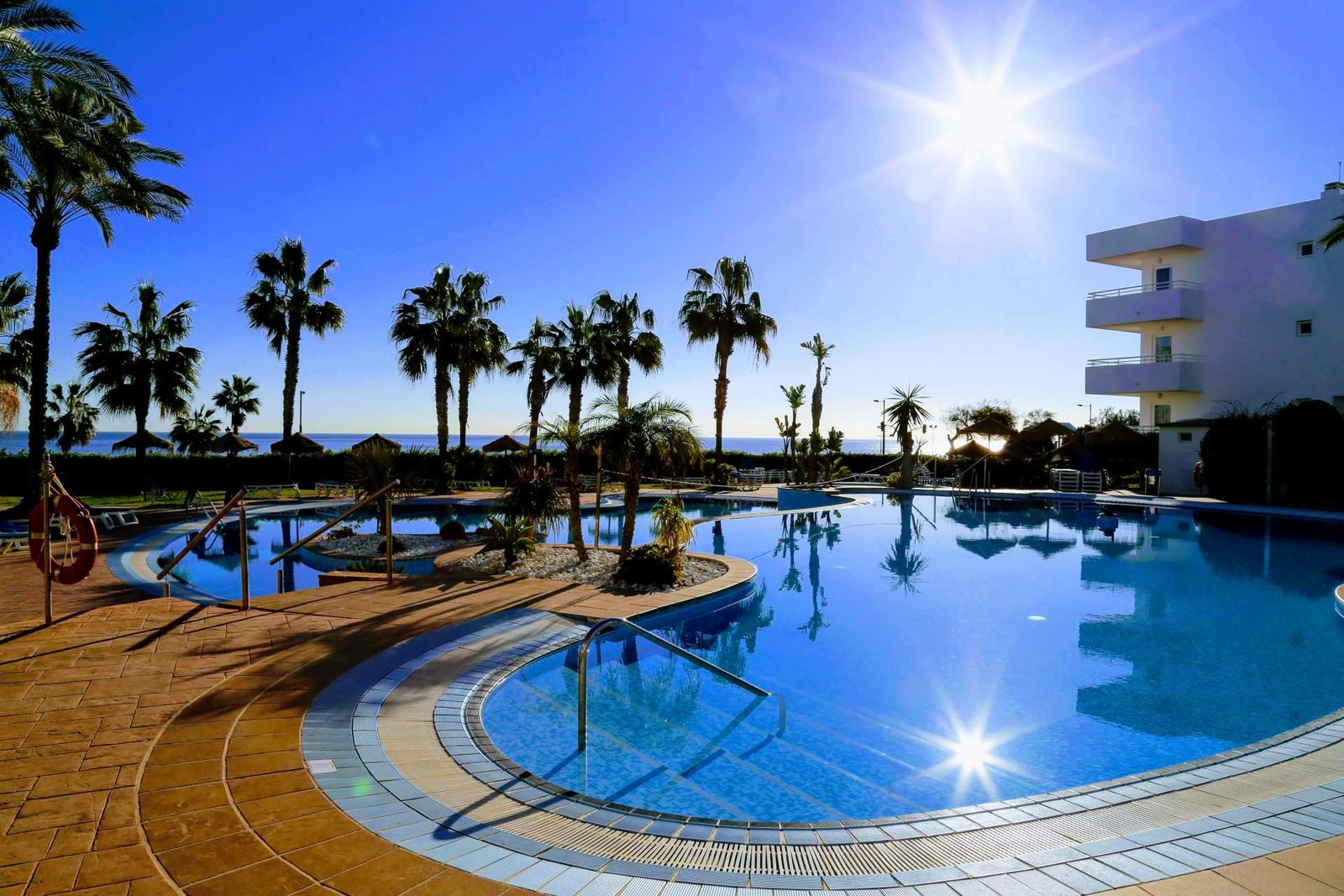
In Spain, a hotel is not only a place to sleep. It shapes the beginning and end of each day. When choosing a hotel, it is worth considering location, bedding, breakfast, natural light, and the surrounding streets for walking. For TAIST readers, comfort, calm surroundings, and a good breakfast can strongly influence the satisfaction of the trip.
In Madrid, areas with easy access to museums, shopping streets, and restaurants are convenient. In Barcelona, it is often better to consider both quietness and transport access rather than choosing only the busiest center. In Seville or Valencia, a small boutique hotel or a renovated historic building can help you feel the character of the city more deeply.
Spain’s beauty changes from city to city
It is difficult to understand Spain through just one city. Madrid is composed and profound. Museums, the royal palace, parks, elegant streets, and restaurants come together with balance. Barcelona is creative and free. Architecture, design, the sea, markets, and art blend naturally.
Seville is emotional and warm. Flamenco, orange trees, decorative tiles, old palaces, and narrow alleys convey the romance of southern Spain. Valencia is bright and relaxed. Mediterranean sunshine, beaches, fresh food, and modern architecture meet in an effortless way.
When choosing a city, it is better to ask what kind of trip you want rather than which city is more famous. For art and food, Madrid is a strong choice. For architecture and the sea, Barcelona is ideal. For warmth and tradition, Seville is beautiful. For Mediterranean ease, Valencia feels especially fitting.
A trip to Spain can change the rhythm of life
The moments that remain most vividly from Spain are often small ones. A plaza in late afternoon light, a slowly enjoyed coffee, a plate carrying the aroma of olive oil, an alley seen from a hotel window, or a walk before dinner. These scenes remain as sensations even after the trip ends.
TAIST’s Spain travel is not about seeing more. It is about feeling more deeply. Rather than filling the itinerary, it is better to experience one or two things properly each day. One good museum, one long walk, one memorable meal, or one peaceful hotel breakfast can be enough.
Spain asks travelers not how much they have seen, but how slowly they have felt. That is why a trip to Spain can become more than rest. It becomes a time to reconsider the way we live. When a healthy table, leisurely walks, beautiful spaces, and the rhythm of a sensual city come together, travel remains in the heart much longer.
TAIST Selection
Spain Hotels
In Spain, a hotel is more than just a place to stay. It is where you end the day, feel the atmosphere of the city, and prepare for the next part of your journey. Choosing a hotel with the right location and a comfortable setting can reduce travel fatigue and make your experience of the city even richer.